For Great Falls, roofing needs to endure intense UV, wind stress, heavy snow, and freeze-thaw cycles. Metal roof materials delivers superior performance versus traditional asphalt through resisting impact, fire, uplift, and faster weathering, and removes snow much faster. Check for broken shingles, separated flashing, water penetration, granule loss, and sagging sections in the aftermath of storms. An experienced roofing professional will review roof decking, underlayment, and ventilation systems, analyze damage from storms, and propose repair or replacement considering lasting performance.
Important Information
- Great Falls roofs must handle harsh UV rays, high winds, substantial snowfall, and freeze-thaw cycles that speed up leaks and material failure.
- Metal roofing lasts 40 to 70 years, resists wind damage, fire, and impact better than traditional asphalt, and clears snow more efficiently.
- Asphalt shingles price lower at first although they degrade quicker, showing curling, crack development, and granule loss under Great Falls conditions.
- Warning signs include broken shingles, flashing gaps, valleys showing rust, stains on ceiling, attic condensation, and damage from storms across several roof slopes.
- Roofing experts in Great Falls execute inspections, leak diagnostics, storm repairs, emergency tarping, and professional metal roof installation featuring appropriate underlayment and flashing.
Ways That Great Falls Weather Affects Roofing Systems
Since Great Falls gets strong sunlight, powerful gusts, hail, snow loads, and fast temperature fluctuations, your roof deals with year-round stress that might decrease service life. UV exposure dries out roofing materials, weakens seals, and accelerates surface breakdown. High wind pushes margins, pushes precipitation within vulnerable joints, and separates flashing surrounding roof openings.
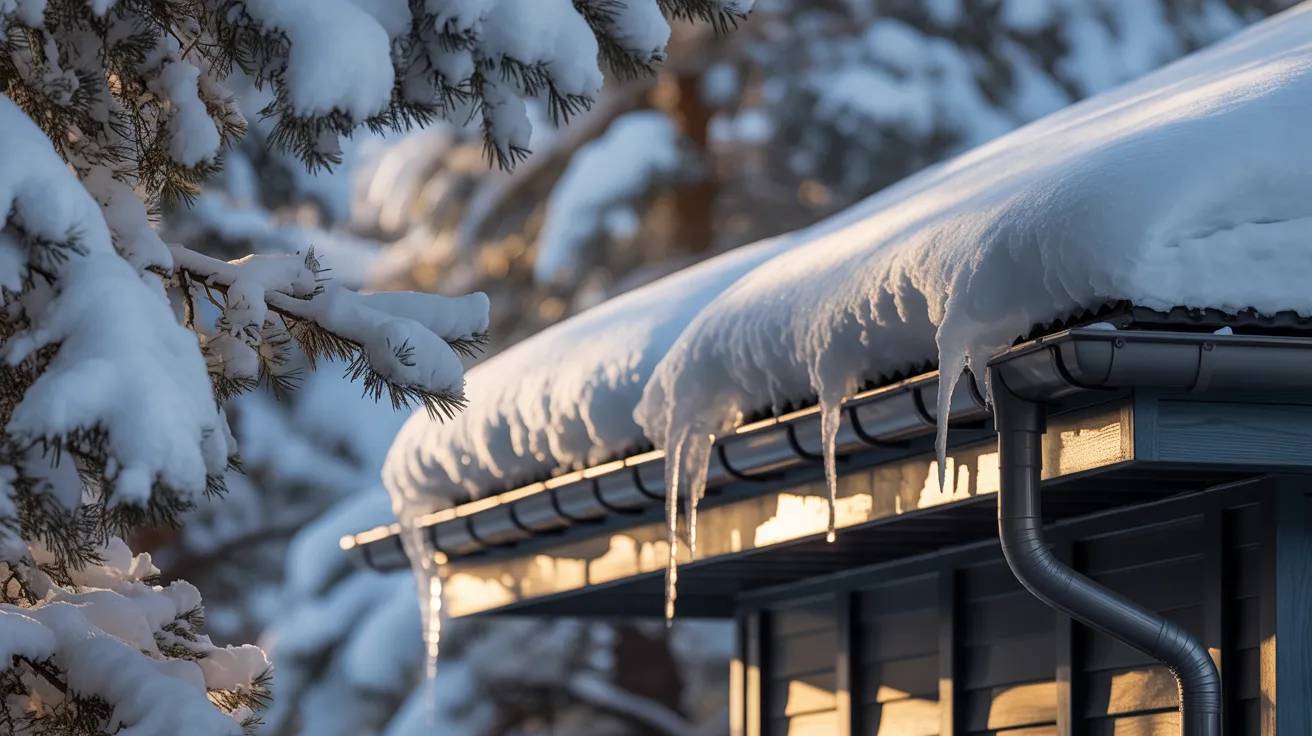
Heavy snow impose additional weight, while buildup of ice trap moisture at eaves and heighten leaking potential. Temperature cycling expand small cracks, separate joints, and harm underlayment materials. Hailstones tends to bruise roof surfaces, crack protective films, and uncover underlying materials to water intrusion. You also experience microclimate impacts: south-facing sections get hotter faster, shaded regions keep damp longer, and windward sections weather faster more severely. Regular inspections assist you catch storm damage quickly, maintain drainage systems and extend longevity through extreme temperature swings.
Metal Roofing versus Shingles in Great Falls
If you assess metal systems against asphalt shingles in Great Falls, the decision frequently centers on weather resistance, lifespan, maintenance, and long-term cost. view now Metal roofing withstand damage from elements like impact, fire, and wind more effectively than shingles, and they typically last 40 to 70 years rather than 15 to 30.
In most cases, you'll commit more at the outset for metal roofing, however you may replace it less regularly and complete fewer maintenance needs. Standard shingles cost less at the start and supply basic spot repairs, despite the possibility that they may curl, deteriorate, or shed granules at a faster rate. Metal roofing systems facilitates smooth water shedding, which may lower roof snow loads when properly constructed with protective trim. Should you be planning for solar system installation, metal typically delivers straightforward installation alternatives and fewer necessary penetrations. Your optimal choice depends upon your budget, the length of time you'll own it, and your willingness to perform it
Why Metal Roofing Succeeds in Montana
Fabricated for temperature variations, forceful winds, copious snow, and intense UV rays, metal roofing performs capably in Montana's intense weather. Your building obtain a system that mitigates thermal movement, rapidly evacuates water, and preserves foundation strength throughout freeze-thaw sequences. Bonded panels, veiled hardware, and cutting-edge finishes suppress uplift, corrosion, and sun damage
You'll also benefit from excellent snow removal, which cuts down on static roof weight and shields roof framing. As metal systems reflects solar energy, it can lessen unwanted attic warmth in hot and dry weather. Minimal water absorption aids consistent function through ice and snow weather. Durability of metal roofing is crucial in the state, where continuous harsh weather reduces the life of weaker roofing solutions. Through the use of quality underlayment, sufficient ventilation, and skilled installation, your roof remains durable, efficient, and stable over many decades with minimal maintenance requirements.
Symptoms Your Roof Needs Professional Attention
Catching roof problems early stops structural failure, interior flooding, and bigger replacement costs. Look for damaged shingles, peeled flashing, unprotected fasteners, corrosion in valleys, and damaged sealant by vents, skylights, and chimneys. Throughout the interior, stay aware of ceiling discoloration, waterlogged insulation, mold colonies, or light penetration through decking.
After storms, check for dents from impacts, moved roofing pieces, and missing shingle granules in gutters. Granular leak detection helps identify damaged asphalt roofs before moisture reaches the underlay. Inadequate attic airflow also creates red flags: excess heat, frost, condensation, and premature shingle curling. When energy costs spike unexpectedly, moisture and warmth buildup may be harming your roof.
Book repair services if you detect low-hanging sections, continuous water leaks, or wobbly trim. Immediate action shields roof substrate, thermal materials, and interior walls.
Roof Replacement When It Makes More Sense
You should evaluate roof replacement when weather damage impacts large sections, compromises structural components, or surpasses reasonable repair costs. If you're regularly paying for recurring leaks, patch failures, or frequent service calls, a new roof typically gives superior long-term savings. An older roof system at or beyond its expected lifespan cannot reliably protect your home effectively, even though individual repairs can appear possible.
Extensive Weather Damage
When a severe storm affects extensive areas of your roofing, a full replacement often provides superior financial and structural sense than repeated repairs. After hail aftermath, wind damage, or branch punctures, you may experience compromised decking, saturated underlayment, and widespread shingle failure that fix-ups cannot effectively address.
You require a comprehensive evaluation, not patchwork. Storm forces frequently damage seals, loosen fasteners, and form hidden moisture paths near valleys, vents, and flashing. Even after debris removal, trapped water may continue damaging sheathing and insulation underneath. If damage impacts several slopes or exposes the roofing system, replacement provides uniform protection, regulatory compliance, and warranty-backed performance. It additionally permits you upgrade underlayment, ventilation, and impact-resistant materials so your next Great Falls storm won't exploit the same vulnerabilities once more.
Continuous Maintenance Bills
Often, repeated leak repairs, shingle replacements, and flashing repairs accumulate higher costs compared to a planned roof replacement. When you're calling for maintenance each season, you're probably caught in spending cycles that drain your budget without correcting deck, ventilation, or underlayment problems. Minor repairs can restore function briefly, but they seldom deliver comprehensive performance.
You need to compare annual repair totals against replacement costs, rising labor costs, and material matching problems. Repeated fixes also create warranty gaps, particularly when several contractors manage different sections or incompatible products. Those gaps may leave you covering costs yourself when new failures appear near previous repairs. A full replacement provides you one integrated assembly, consistent installation quality, and streamlined maintenance schedules. In many cases, that reset reduces overall roofing expenses and reduces service disruptions markedly.
Deteriorating Roof Structures
When roofing assemblies age
Roof replacement provides a superior choice when assessments reveal roof deck moisture, significant granule loss, insulation deterioration, or inadequate ventilation that intensifies thermal stress. Consider additionally code compliance requirements, fastening strength, and material compatibility regarding modern material options. Complete replacement enables correction of concealed defects, optimize drainage systems, and install a configuration suitable for contemporary demands. Greater upfront expenditure is needed, yet emergency repairs reduce, interior damage prevention occurs, and long-term cost savings materialize.
Great Falls Roofers' Storm Damage Response
When severe conditions potentially compromise roof assemblies in short timeframes, Great Falls roofing contractors launch damage assessment using a methodical, rapid evaluation of shingles, flashings, protective layers, decking, and metal components to locate visible and hidden damage.
After initial storm evaluation, you receive detailed documentation of damage, moisture intrusion, and structural risk. Roofing contractors remove debris initially so fallen limbs, ice chunks, and loose objects stop scraping the roof or obstructing water flow. They cover vulnerable areas, seal punctures, reinstall shifted shingles, secure flashing components, and check fastener integrity on metal sections. If water reached the decking, they will assess for water saturation, layer separation, and mold risk areas before approving repairs. You receive photographic evidence and dimensional data that support insurance claims and assist in ranking critical fixes over cosmetic fixes.
Installing a Metal Roof System
Beginning with removal and ending with finishing trim, metal roof installation processes follow strict procedural order protecting homes and optimizing roofing performance. Old roofing removal occurs initially, structural decking review is performed, and deteriorated decking are substituted. Verification of slope, dimensional accuracy, ventilation routes, and fastener zones occurs subsequently for correct panel positioning.
Then you install edge metal, ice and water shield, and choose underlayment options based on environmental conditions, slope, and regulatory standards. You lay panels from a square starting point, fasteners or fastening devices according to manufacturer specifications. With Standing seam systems, you lock vertical legs and seams remain aligned to control water movement and thermal expansion. Lastly, penetrations are sealed, ridge and trim are installed, transition points are sealed, and final cleanup with quality check verifying weather resistance and visual quality.
Roof Offerings Provided by Great Falls Experts
For both small fixes or full replacements, Great Falls roof professionals usually handle reviews, leak identification, storm damage repairs, roof recovery, new roof installation, and maintenance services for residential or business properties.
You can also engage them for flashing replacement, ventilation repairs, gutter additions, skylight maintenance, and ice dam prevention. If wind or hail compromises structural decking, they'll provide emergency protection to minimize water penetration prior to permanent repairs. For older roofs, they assess roof underlayment, fastening systems, roof penetrations, and drainage systems, then recommend specific repairs or total replacement if appropriate. Many teams work on asphalt shingles, metal roofing, membrane systems, and roof coatings. They might record harm for insurance claims and plan seasonal inspections to find sealant issues, oxidation, panel movement, and clogged valleys before those these problems diminish your roof longevity.
How to Find the Right Great Falls Roofing Professional
When you hire a Great Falls roofing professional, first ensure that they're correctly licensed and maintain current workers' compensation and liability insurance. Subsequently, evaluate the roofing products they advise so you can compare performance standards, longevity, and budget to your project. You need to review their local expertise, because professionals who understand Great Falls climate patterns and building codes typically deliver more reliable results.
Verify Licensing And Insurance
Before finalizing a contract in Great Falls, check the contractor possesses requisite Montana license and carries both workers' compensation and general liability insurance. Don't depend on verbal claims. Obtain the license number, company name, and insurer details, then conduct licensing verification through state registration records and local registration databases. Match the business name on every paperwork.
For insurance verification, inquire that current certificates transmitted straight from the insurance company or broker. Review policy information, dates of coverage, policy limits, and exclusions. Check that workers' compensation insurance includes every worker at the property. Should a roofer uses sub-contractors, require evidence they have insurance in addition. Adequate insurance and licensing shield you against legal liability, code compliance issues, unpaid liens, and delays. If records fails to match, find another contractor.
Assess roofing options
With Great Falls roofs subjected to hail, strong winds, heavy snow, and dramatic temperature changes, you must compare materials across durability, lifespan, upkeep requirements, and overall installation expenses—rather than focusing on the bid price alone.
Asphalt shingles tend to provide the most budget-friendly installation costs, still impact ratings, wind coverage warranties, and granule loss play roles. Metal carries higher initial expenses, yet it moves snow away, combats fire, and realizes enhanced energy efficiency by way of reflective finishes. Synthetic slate and composite shingles reduce weight loads while enhancing impact durability, notwithstanding material quality changes. Solicit manufacturer information on Class 4 impact ratings, wind resistance, ice-dam behavior, and anticipated longevity. You should review underlayment choices, ventilation compatibility, fastening specifications, and maintenance ease. A affordable roof grows costly later if it fails prematurely or requires continual storm damage work and replacement requirements.
Assess regional experience
Material choice matters, yet the contractor's area reputation often determines performance that roof functions in Great Falls. You must confirm how long a roofer worked in the region and if they've handled hail damage, heavy snow, chinook winds, and freeze-thaw damage on comparable properties. Local history indicates if teams understand ventilation systems, ice dam prevention, flashing specifications, and Cascade County building codes.
Obtain locations from recent projects, then assess workmanship from ground level. Look at Contractor testimonials for recurring themes: responsiveness, site conditions, warranty handling, and quote fidelity. You should confirm material vendor networks and permit familiarity, given that established local roofers source inventory faster and resolve inspections expeditiously. A roofer with demonstrated Great Falls experience reduces installation danger and strengthens roof longevity for your property.
Standard Installation FAQs
Do regional Roofers offer payment opportunities for updated Roofs?
Yes, many Great Falls contractors offer payment plans for roof projects. You can often choose financing plans from your contractor or via a third-party lender. Count on terms contingent on project cost, loan length, and your credit profile. Most lending sources call for credit checks preceding approval, and some present promotional rates for approved borrowers. You must compare APR, fees, down payment requirements, and prepayment terms before accepting any roof financing agreement.
Are roofing estimates in Great Falls typically at no cost?
Yes, roofing estimates in Great Falls are typically at no cost, particularly when contractors include complimentary inspections for repairs or replacements. You should expect a formal estimate that details materials, labor, timeline, and cost breakdowns. Some companies may charge for detailed reports, specialty diagnostics, or insurance documentation. Before you schedule, inquire about what the estimate covers, whether inspections are complimentary, and if extra costs apply to complex roof conditions or access.
What length of time do roofing warranties typically cover in Great Falls?
Like a safety feature for your roof, warranties in Great Falls usually last 20–50 years for Manufacturer warranties, depending on material and product tier. You'll often get Labor warranties for 2–10 years, though some contractors give longer coverage. You should check what's prorated, transferable, and excluded, especially for wind, ventilation, and installation errors. Examine the fine print so you understand exactly what protection you're actually purchasing before signing.
Can roof work be scheduled during winter in Great Falls?
Yes, you can book roof work during winter in Great Falls, but you'll must have weather contingencies. You can accomplish Winter repairs with safety when crews track temperature, wind, ice, and supply handling limits. You should anticipate delays during storms or extreme cold. Removing snow often comes first so crews can reach decking, pinpoint leaks, and attach flashing. You'll get better results when you arrange early and remain flexible with scheduling windows.
Will Great Falls roofing companies help with insurance paperwork?
Yes, many roofing companies in Great Falls aid you with insurance paperwork after storm damage or impacts. You'll often obtain insurance support through documented inspections, photo evidence, project summaries, and estimate comparisons. They may also assist claim coordination by connecting with adjusters, detailing repair quantities, and corresponding line items to policy coverage. You should still check your claim carefully, because your insurance company approves payment terms, depreciation, deductibles, and final settlement amounts.
Final Thoughts
In Great Falls, your roof structure has to manage wind, snow, hail, and rapid temperature changes without breaking. That's why selecting the roofing company matters. Metal roofing stands out because it can last 40–70 years—often two to three times longer than asphalt shingles. When you take action early on repair or replacement, you secure your home, decrease long-term expenses, and enhance performance. Connect with Great Falls roofing professionals who understand local conditions and place systems constructed to last.